
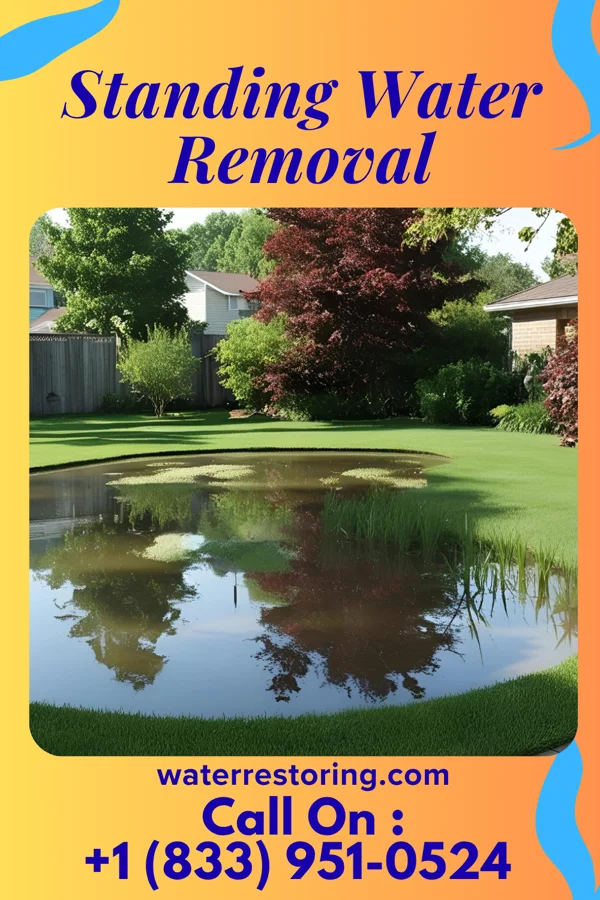
Isle of Hope Standing Water Drivers
Water damage in Isle of Hope tends to cluster in predictable windows because of the local climate. In Isle of Hope, Georgia, the primary water damage cause is often due to heavy rainfall and storm surges from the Atlantic Ocean, which can lead to flooding in low-lying areas near the coast. Additionally, the proximity to Skidaway Island and the frequent occurrence of hurricanes and tropical storms contribute to sudden water intrusion in residential properties. A close second is Secondary causes include plumbing leaks from aging infrastructure, backed-up sewers during heavy rains, and groundwater seepage through porous soil in the rural areas of Chatham County. These issues are exacerbated by the region's high humidity and frequent thunderstorms..
Isle of Hope experiences a humid subtropical climate with high rainfall throughout the year, making it prone to both seasonal and sudden water damage. The coastal location also increases vulnerability to saltwater intrusion and storm surge events, which can cause long-term structural damage if not addressed promptly.
Isle of Hope experiences a humid subtropical climate with high rainfall throughout the year, making it prone to both seasonal and sudden water damage. The coastal location also increases vulnerability to saltwater intrusion and storm surge events, which can cause long-term structural damage if not addressed promptly. The dominant local driver is In Isle of Hope, Georgia, the primary water damage cause is often due to heavy rainfall and storm surges from the Atlantic Ocean, which can lead to flooding in low-lying areas near the coast. Additionally, the proximity to Skidaway Island and the frequent occurrence of hurricanes and tropical storms contribute to sudden water intrusion in residential properties., with Secondary causes include plumbing leaks from aging infrastructure, backed-up sewers during heavy rains, and groundwater seepage through porous soil in the rural areas of Chatham County. These issues are exacerbated by the region's high humidity and frequent thunderstorms. showing up as the next most common cause. Damage builds in stages. Spread. Absorption. Microbial growth. Structural compromise. Every stage you pass through adds to the final bill.